Define the load and the path
Start with the heaviest load, load center, and pallet size. Then trace the full route: - Narrowest aisle or doorway - Ramp grades between warehouse, dock, and yard - Surface changes from polished slab to outdoor aprons or compacted fill
High-bay facilities around Harrisburg often combine long aisle runs with busy dock lanes. That mix influences tire selection, turning radius, and power type.
Indoor vs. mixed-surface expectations
- Electric cushion-tire forklifts: best on smooth interior slabs with tight aisles and emissions limits.
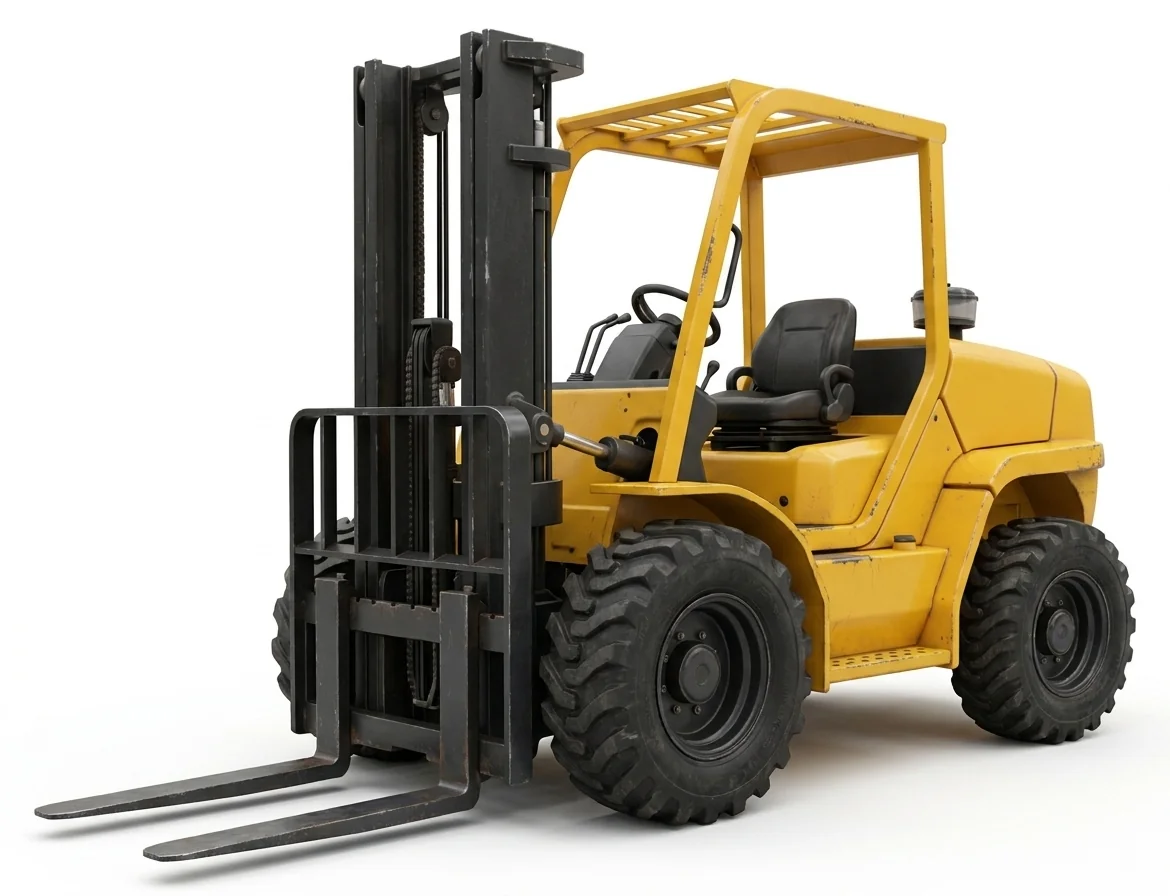
- Pneumatic-tire forklifts: handle rougher aprons and short yard moves, provided the surface can support axle loads.
Seasonal precipitation and freeze–thaw cycles can leave yard edges soft. Plan staging on paved or stabilized ground when loads must leave the dock envelope. Actual conditions, the selected unit’s instructions, and site procedures govern material handling work.
Clearance and racking geometry
Check mast lowered height for doorways and mezzanines, and raised height for top beam placement. Note overhead obstructions—sprinklers, catwalks, and conveyors—common in regional logistics facilities.
When a different lift fits
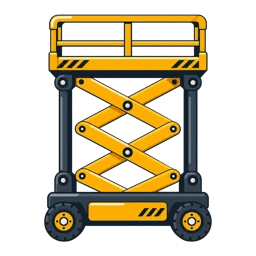
- Elevated personnel access for service work: /vertical-mast-lift-rental/ or /electric-scissor-lift-rental/
- Setting materials at height beyond a curb or parapet: /telehandler-rental/
- Exterior facade access: /articulating-boom-lift-rental/ or /telescopic-boom-lift-rental/
Common Harrisburg scenarios
- Cross-dock transfers with frequent turns at staging lanes
- Long indoor hauls between receiving and high-bay storage
- Short outdoor moves from dock to yard during peak shipping periods