Start with placement geometry
- Can trucks approach straight or must they back around tight corners?
- Is there room to swing doors fully without blocking emergency egress or lift aisles?
- Will loading happen from grade, a dock, or with a /forklift-rental/?
High‑bay logistics operations often park containers near dock aprons. Plan for trailer lines, trailer dollies, and yard tractor paths to avoid conflicts. On institutional grounds, sight lines and pedestrian routes can dictate lower‑profile placement and controlled access sides.
Surface and support in regional soils
Clay‑heavy soils soften during thaw and after rain. Uneven support twists container frames, making doors bind. For unpaved laydown, assess bearing capacity and drainage so the container stays level through seasonal changes. On hardscape, verify paver or slab ratings where point loads transfer at corners.
Size, access, and interior use
- Length and height: longer units store more but need more straight approach for delivery.
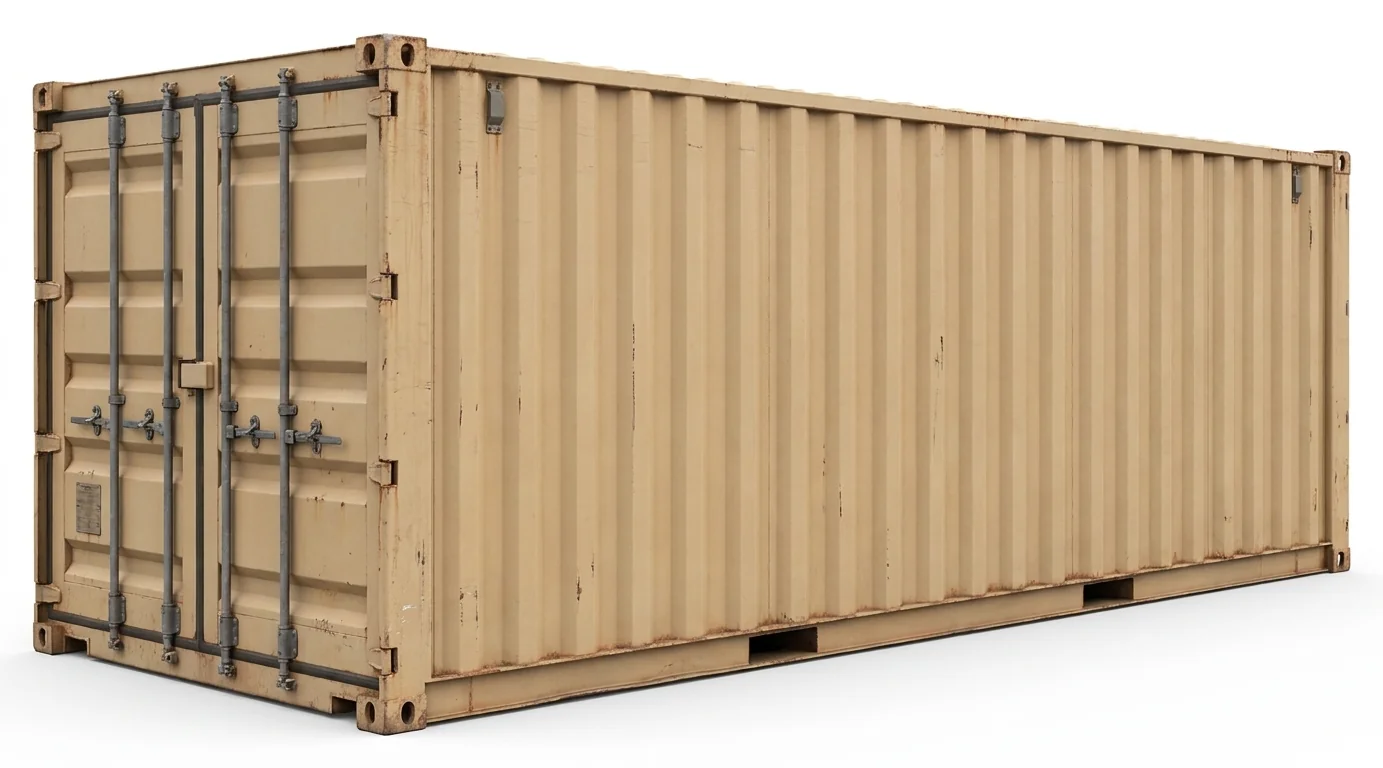
- Door type and orientation: standard double doors vs. side access when aisle clearance is tight.
- Interior handling: pallet jacks need smoother thresholds; racking needs adequate wall clearance and tie‑off allowances per site procedures.
Security and workflow
Busy warehouse yards move rapidly during shift changes. Position containers to separate material staging from live traffic while maintaining emergency access. Around public buildings, consider lines of sight and lighting from nearby /generators-light-towers-rental/ to deter after‑hours issues.
Weather exposure and contents
Seasonal humidity and winter precipitation affect packaging. Moisture‑sensitive goods may need desiccant strategies and ventilation allowances. If equipment requires periodic charging, plan safe power routing and cord protection along approved paths.
Related access equipment
If contents are bulky or elevated, compare: - /telehandler-rental/ - /forklift-rental/ - /electric-scissor-lift-rental/